

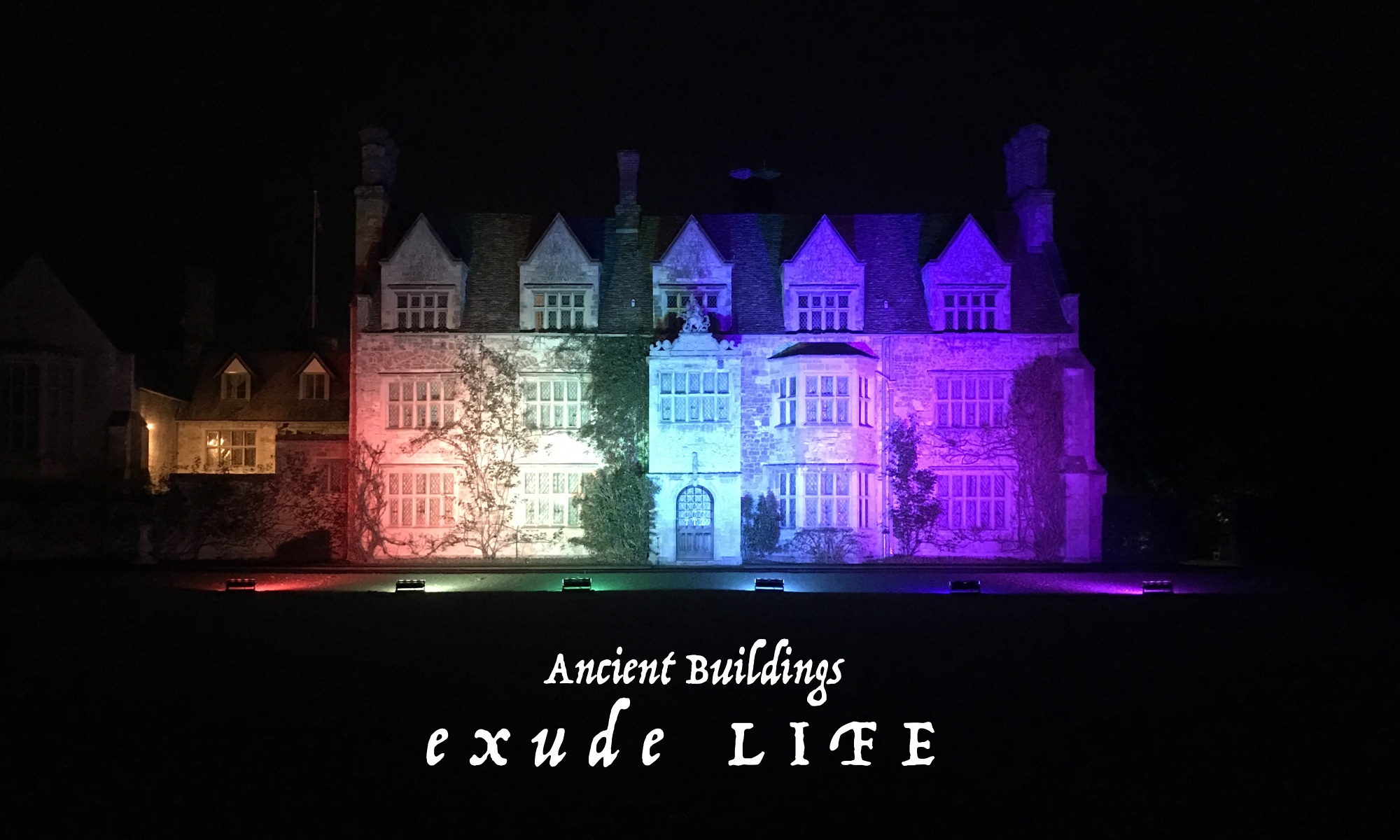
SCARAB sees ancient buildings as alive. Just as it is never appropriate to ‘preserve’ a still living person, so we should not seek to preserve a living building, but rather to sustain it in good health. Some historic structures should indeed be preserved as is; such works of art are monuments that are no longer living, and are the exception that proves the rule.
Unlike monuments, living buildings have an ongoing usefulness and purpose; the unthinking restriction of that utility is the biggest threat such buildings face.
Most living buildings have been authored by their communities across many generations; most have a purpose that points beyond themselves. With few exceptions, they are terminally incomplete, always as much about process and journey as about product and destination.
Living buildings cannot be reduced solely to art history or archaeology; they are living expressions of heritage that are nurtured by the continuity of past, present and future. A conservation based on cultural discontinuity will suppress their life, and that of the communities that use them.
Buildings of any kind have agency; they are actors in the unfolding drama of human culture. Conservation can help an ancient building to exude life or, through preservation, to exclude life. To exude or exclude: that is the question.